
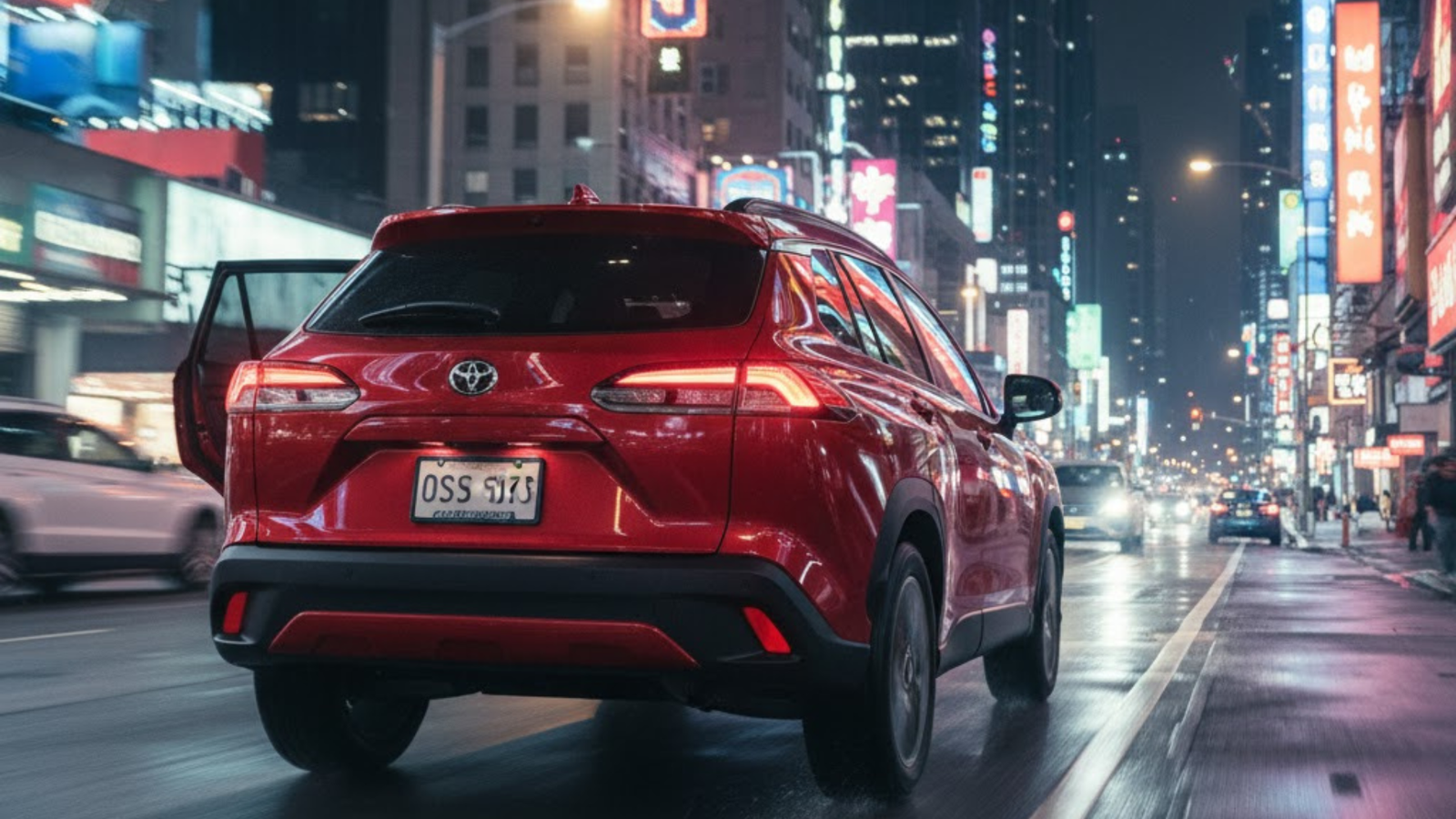
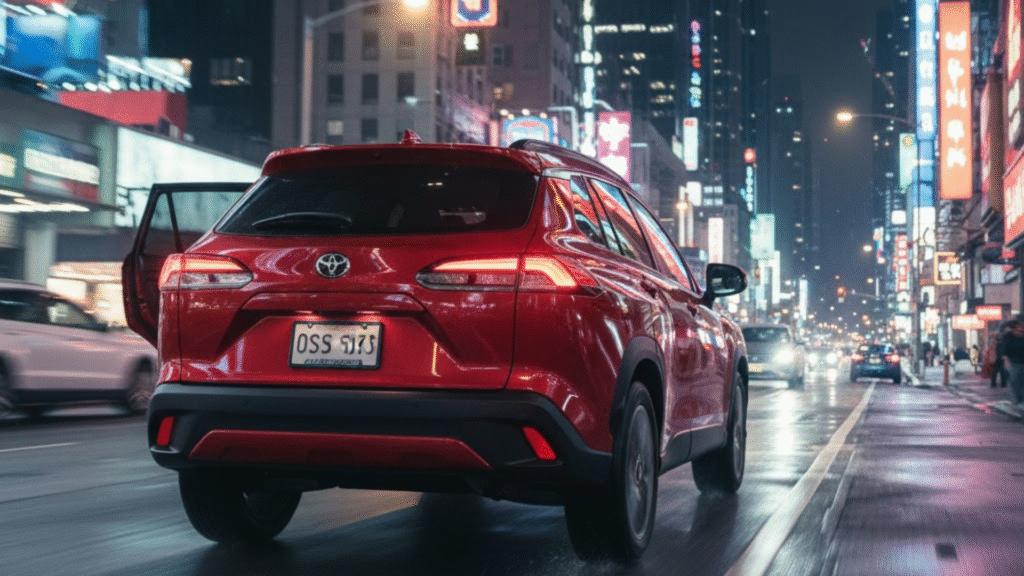
The compact SUV segment is the modern-day equivalent of the Gold Rush. Every manufacturer is panning for gold, flooding the market with “adventure-ready” crossovers that are often just hatchbacks on stilts. For years, the Toyota Corolla Cross sat comfortably in the middle of the pack—reliable, efficient, but frankly, a bit boring.
For 2026, Toyota has woken up.
While it’s not a full generation overhaul, the 2026 Corolla Cross brings a targeted refresh that fixes my biggest gripes with the previous years: dated tech and a bland interior. But let’s be clear right off the bat: there is a massive divide in this lineup. There is the Corolla Cross Hybrid, which is one of the best subcompact SUVs on the market, and then there is the standard gas model, which feels like a relic from a different era.
As someone who has tested every iteration of this vehicle since its debut, I’m going to break down exactly why this year’s update matters—and which specific trim deserves your money.
What’s New for 2026?
Toyota didn’t reinvent the wheel, but they polished it significantly. The 2026 model year focuses on “quality of life” improvements that you’ll notice every time you get behind the wheel.
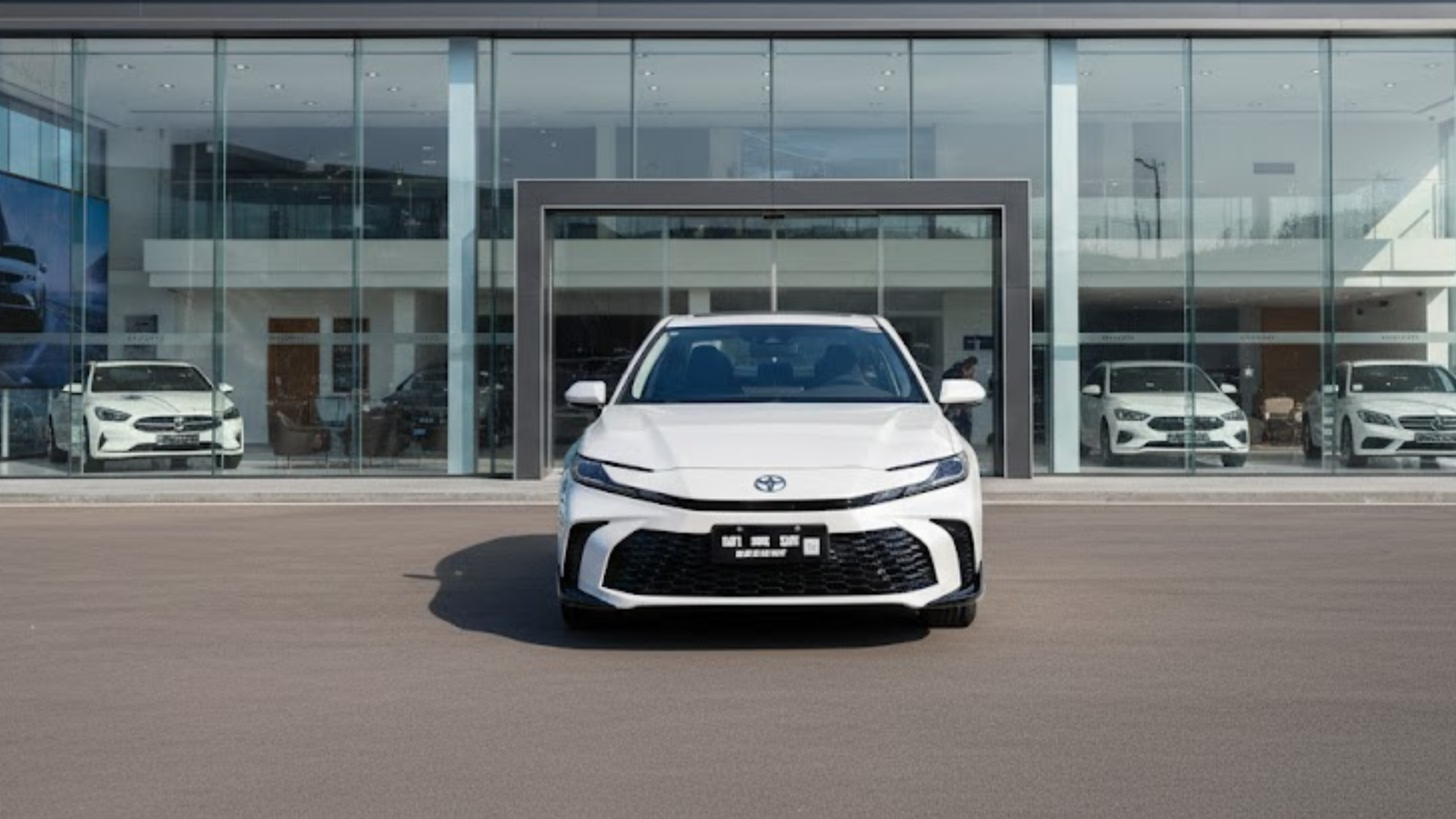
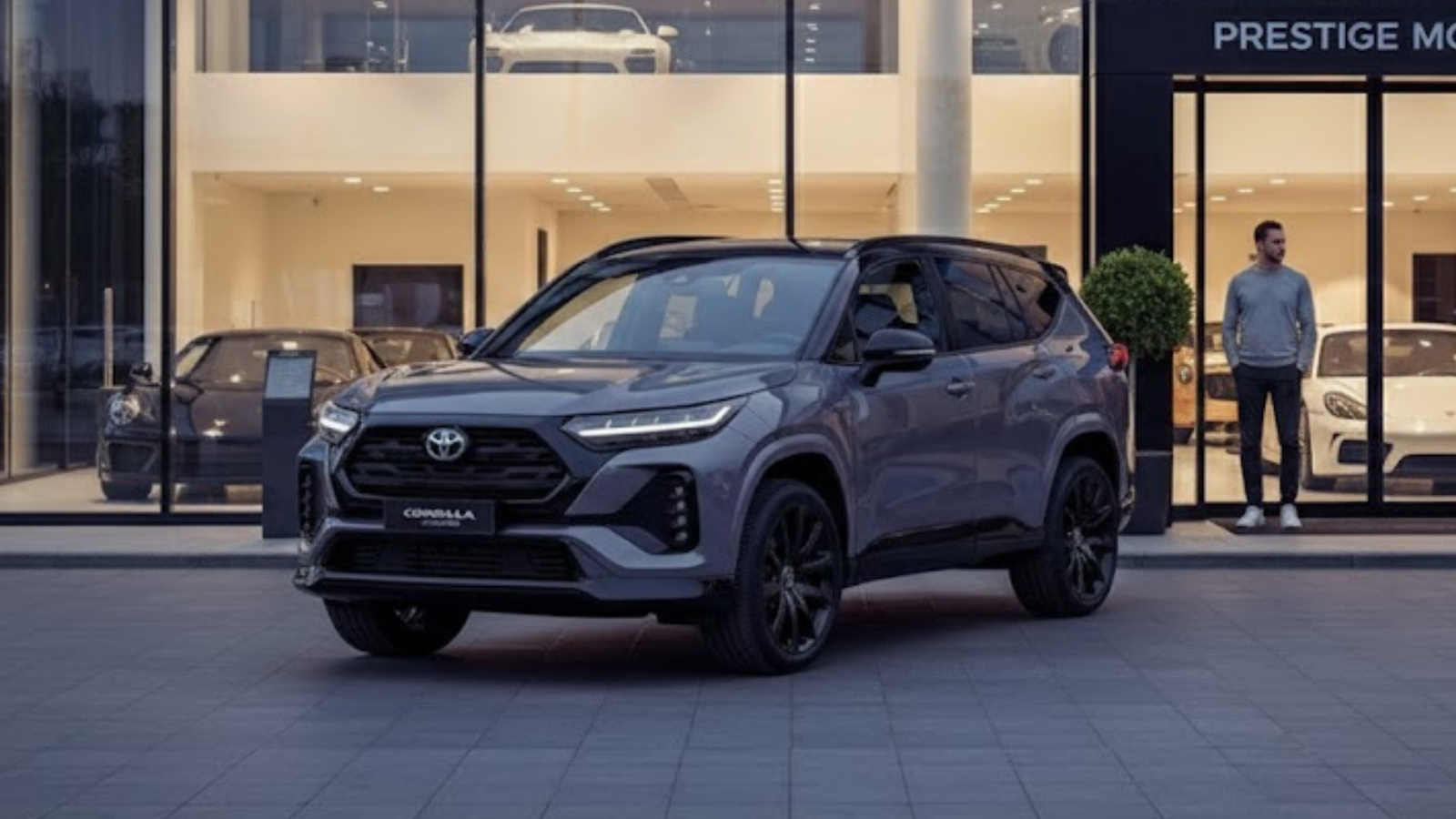
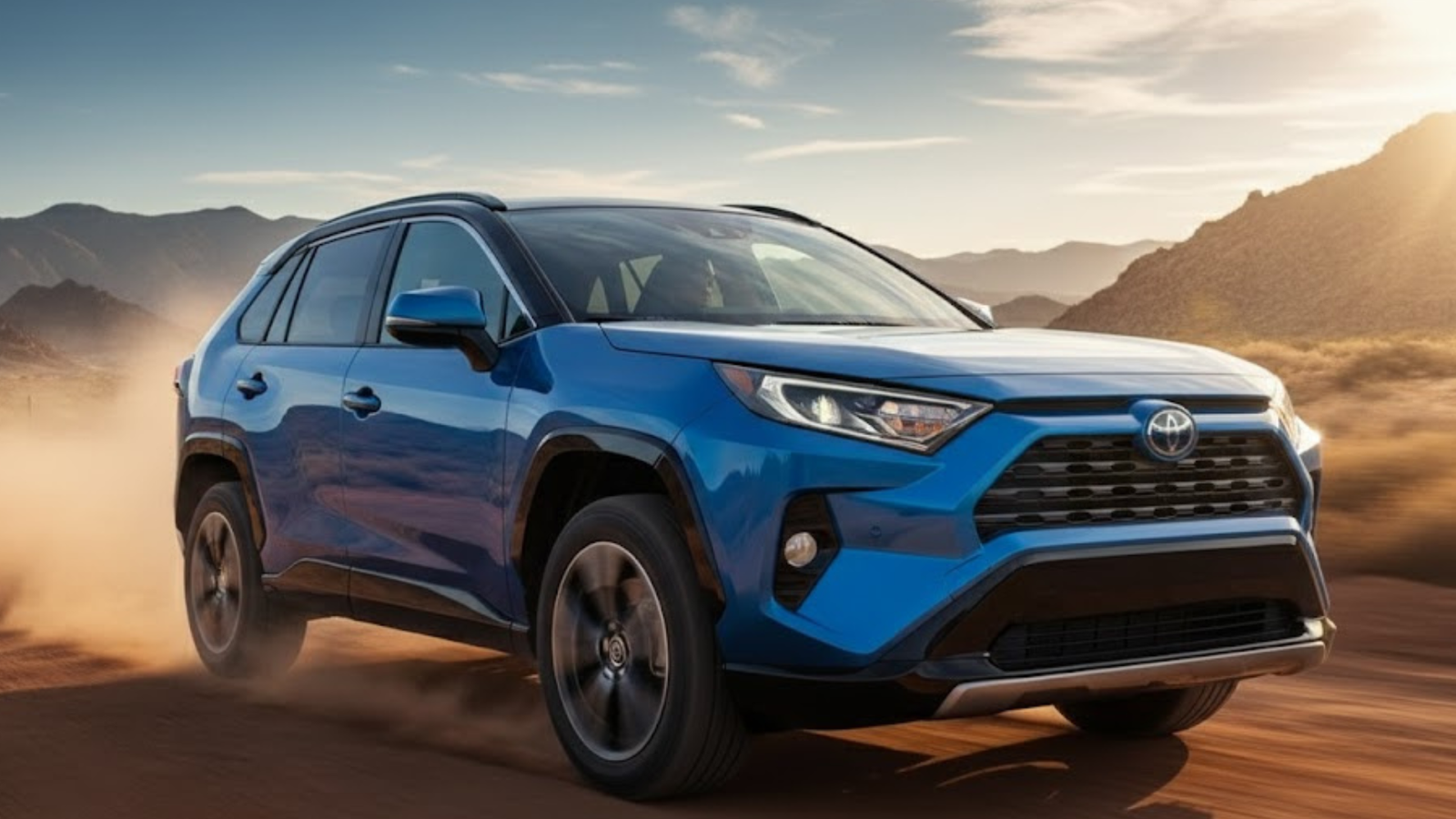
- Exterior Facelift: The front end has been reworked. The Hybrid gets a sleek, body-colored grille (reminiscent of the Lexus RX), while the gas models get a more rugged, blacked-out mesh grille. There are also new 18-inch alloy wheel designs and a stunning new color option: Cavalry Blue.
- Tech Overhaul: This is the big one. The old 8-inch screen is gone on upper trims, replaced by a crisp 10.5-inch Toyota Audio Multimedia touchscreen. Even better, the analog gauges are finally retired on top trims in favor of a fully digital 12.3-inch instrument cluster.
- Console Redesign: Toyota listened to complaints about the cramped center console. The 2026 model features a redesigned layout with better cupholders and—controversially—has replaced the physical volume knob with buttons (more on that later).
Performance: The “Jekyll and Hyde” Powertrains
This vehicle has a split personality. Your experience will depend entirely on which engine you choose.
The Hybrid (The One You Want)
- Engine: 2.0L 4-cylinder + 3 Electric Motors
- Power: 196 combined horsepower
- 0-60 mph: ~7.9 seconds
- Drivetrain: Standard Electronic On-Demand AWD
Expert Take: The Fifth-Generation Toyota Hybrid System is a masterpiece of efficiency. The 196 horsepower makes this car feel genuinely zippy in city traffic. The electric motors provide instant torque off the line, masking the lack of low-end grunt that plagues most small SUVs. It’s smooth, quiet, and the AWD system is clever—using a dedicated rear electric motor to provide traction instantly when you slip.
The Gas Model (The One to Avoid)
- Engine: 2.0L 4-cylinder
- Power: 169 horsepower
- 0-60 mph: ~9.3 seconds
- Drivetrain: FWD (AWD optional)
Expert Take: In 2026, a 9+ second 0-60 time is borderline painful. The gas engine struggles to move this chassis, especially on highway on-ramps. It is loud, buzzy, and coarse when you push it. Unless you are strictly budget-constrained, skip this powertrain.
Real-World MPG: Does it Deliver?
Toyota’s EPA estimates are usually accurate, but my real-world testing often shows a slight variance depending on driving style.
| Powertrain | EPA City/Hwy (Est.) | Real-World Expectation |
| Hybrid AWD | 45 / 38 MPG | 42 MPG (Mixed driving is superb) |
| Gas FWD | 31 / 33 MPG | 29 MPG (You push it harder to move) |
| Gas AWD | 29 / 32 MPG | 27 MPG |
The Verdict: The Hybrid doesn’t just win on speed; it dominates on efficiency. Getting over 40 MPG in an AWD SUV is a game-changer for your monthly budget.
Interior & Tech: Finally Modern
The 2026 interior update is a massive step forward, but it’s not perfect.
The Good:
- The Screens: The new 10.5-inch main screen is bright, responsive, and runs Toyota’s latest UI. Wireless Apple CarPlay and Android Auto connect almost instantly. The Google-based navigation (subscription required after trial) is excellent.
- The Digital Cluster: The 12.3-inch driver display is sharp and customizable. You can have your navigation map right in your eyeline, which feels very premium.
The Bad:
- Material Quality: Despite the “premium” claims, there is still a lot of hard, scratchy plastic on the door panels and lower dash. The Honda HR-V and Mazda CX-30 feel significantly more luxurious inside.
- Rear Legroom: At 32 inches, rear legroom is tight. If you have tall teenagers or rear-facing child seats, you will struggle. The Honda HR-V offers nearly 6 inches more space in the back.
- The Volume Button: Toyota replaced the tactile volume knob with small buttons. As a gadget expert, I hate this. Muscle memory works better with knobs; buttons force you to look at the screen.
Comparisons: How It Stacks Up
- vs. Honda HR-V (2026): The HR-V is the king of interior space and comfort. It feels like a class above inside. However, it is slow and lacks a hybrid option. If you prioritize passenger comfort, buy the Honda. If you prioritize driving cost and speed, buy the Corolla Cross Hybrid.
- vs. Subaru Crosstrek (2026): The Crosstrek is the adventurer. It has better ground clearance and a more capable AWD system for actual off-roading. But its hybrid system is pricier and less efficient than Toyota’s.
Pros & Cons
Pros:
- Class-Leading Efficiency: The Hybrid’s 42 MPG is unbeatable.
- Standard AWD: Every Hybrid model gets all-weather capability included.
- Reliability: It uses the same proven TNGA-C platform as the sedan.
- Safety: Toyota Safety Sense 3.0 is standard on all trims (includes adaptive cruise, lane tracing, and auto-braking).
Cons:
- Tight Rear Seat: Not family-friendly for taller passengers.
- Loud Cabin: Road noise and engine drone are noticeable, especially in the gas model.
- Price Creep: A fully loaded Hybrid XSE can push past $35,000, entering RAV4 territory.
Final Verdict
The 2026 Toyota Corolla Cross is a vehicle defined by its powertrain.
If you are looking at the base gas model L or LE, I frankly recommend you look elsewhere—specifically at the Honda HR-V or Subaru Crosstrek, which offer a better driving experience for the money.
However, the Corolla Cross Hybrid is a triumph. It is the perfect urban runabout: efficient, punchy, easy to park, and packed with the tech you actually use. It solves the “MPG vs. SUV” dilemma better than any other car in its class.
My Recommendation: Target the Hybrid SE trim. You get the sportier suspension, the privacy glass, the roof rails, and the wireless charger, all without paying the premium for the XSE’s leatherette seats and power liftgate. It is the sweet spot of value and performance.